
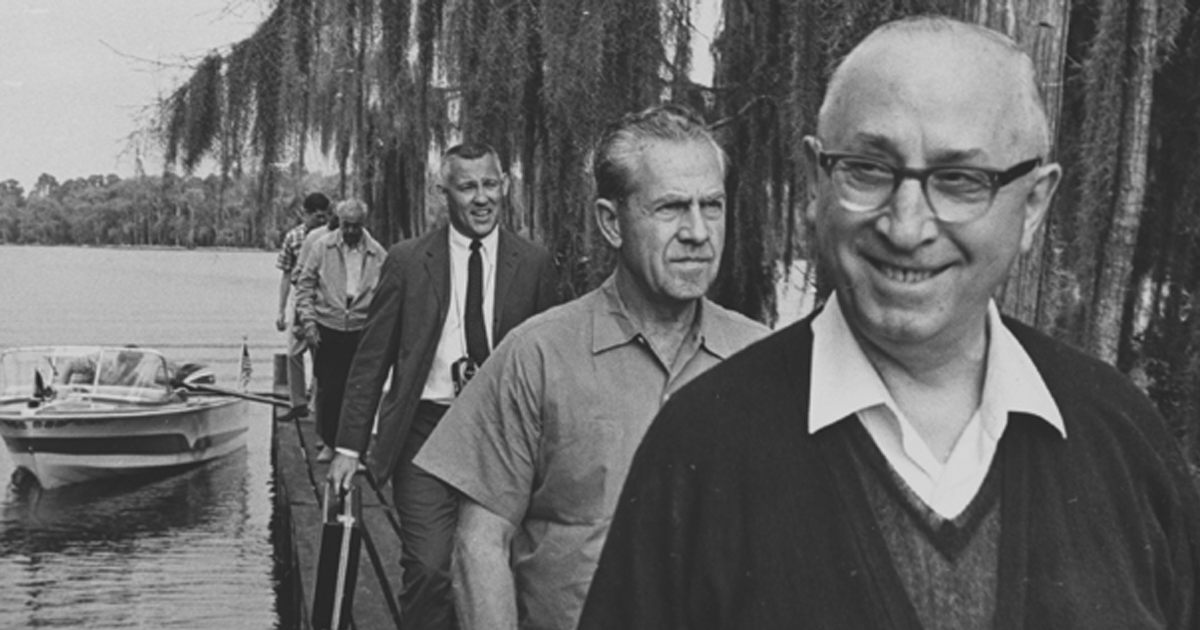
On this day, 54 years ago, the quiet architect of the Disney empire finally found rest. Roy O. Disney, Walt’s older brother, business partner, and the co-founder of The Walt Disney Company, passed away at the age of 78. He died of a cerebral hemorrhage in Burbank, California, on December 20, 1971. The previous night, medical staff rushed him to St. Joseph’s Medical Center. This was the same hospital where he had sobbed uncontrollably at the loss of his younger brother five years earlier. Born on June 24, 1893, Roy served as the company’s chief executive officer and president, acting as the bedrock that allowed Walt’s imagination to soar.
The Partnership of Dreams and Reality
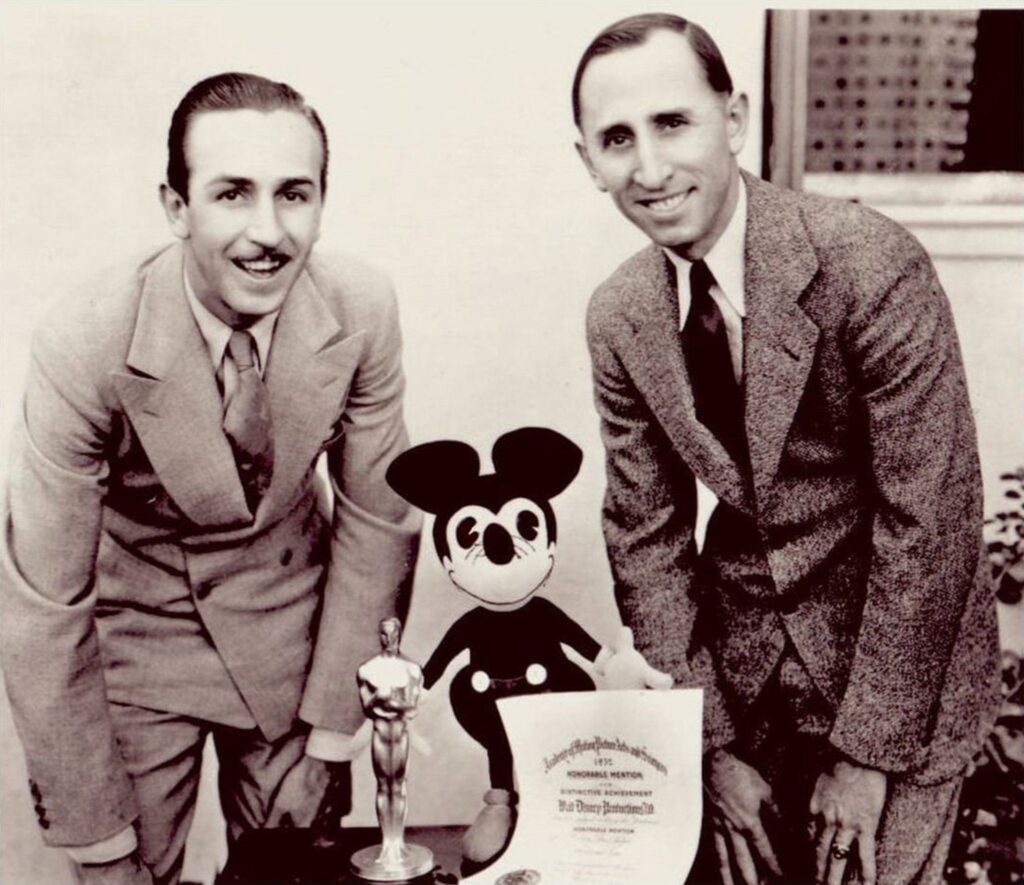
History often remembers Walt as the visionary, but it was Roy who provided the “Rocket Fuel” for those visions. Throughout their partnership, Roy handled the finances, the legal battles, and the difficult “no” votes that kept the studio afloat. When Walt wanted to build Disneyland, the board of directors opposed him. Roy, though skeptical at first, eventually secured the $17 million required to build the park in Anaheim. He understood that while Walt dreamed of castles, someone had to buy the bricks and pay the workers.
The Burden of the Florida Project
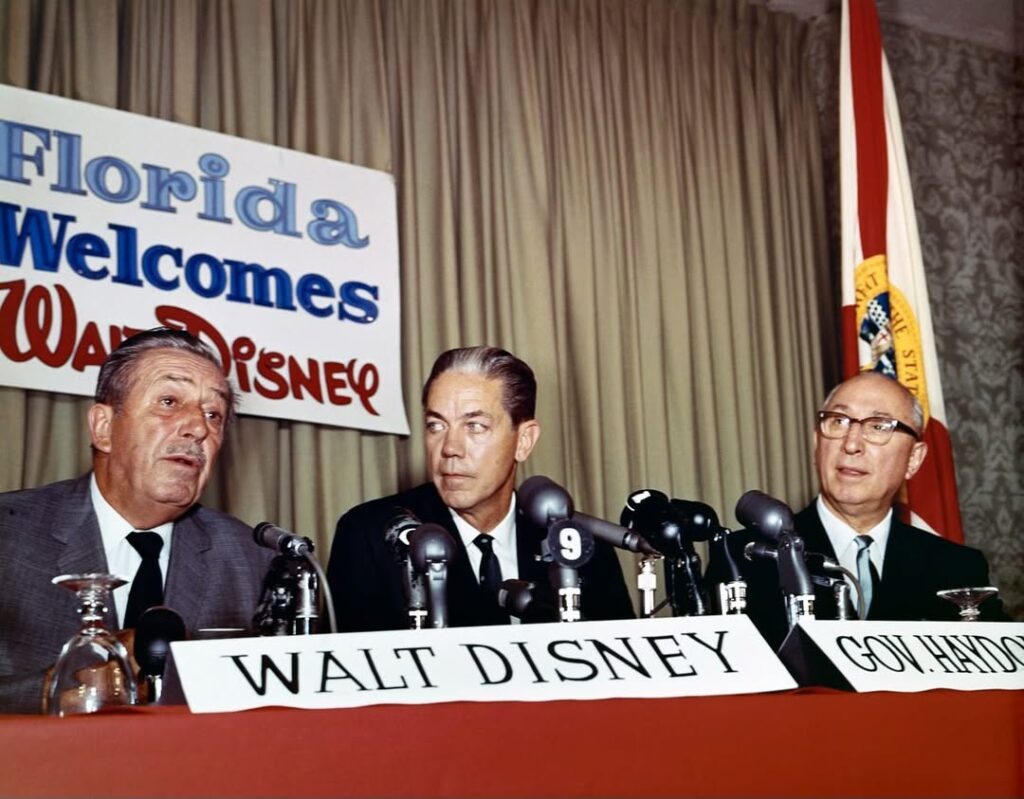
Walt Disney died in December 1966, leaving behind only sketches and a massive tract of land in Central Florida. Roy was already 73 years old and was looking forward to a quiet retirement with his wife, Edna, and his grandchildren. However, he knew that if he walked away, Walt’s final dream—the “Florida Project”—would likely die with him. He made the difficult decision to postpone his retirement and take personal control of the construction. He relocated to Florida, where he spent his final years wrestling with swamp land, construction delays, and massive logistics.
A Promise Kept in the Projection Room
One week after Walt’s funeral, Roy gathered the Disney executives and Imagineers in a studio projection room. The atmosphere was somber, and many feared the company would fold without its creative leader. Roy looked at the staff and firmly stated, “We are going to finish this park, and we’re going to do it just the way Walt wanted it. Don’t you ever forget it.” He demanded that every person continue working exactly as they would have if Walt were still alive. This speech solidified the company’s future and ensured that the Florida project remained on track.
The Fight for the Name “Walt”
One of Roy’s most famous stands involved the name of the new resort. The marketing team wanted to call it “Disneyworld,” believing it was snappier and easier to brand. Roy was adamant that the name be changed to “Walt Disney World.” He wanted every guest to know that this was his brother’s vision, not just a corporate project. When executives pushed back, Roy reportedly pointed to his glasses and stared down the room. He told them he would only say it once more: it would be “Walt Disney World,” or it wouldn’t be anything at all.
Swamps Over Retirement for Walt’s Dream
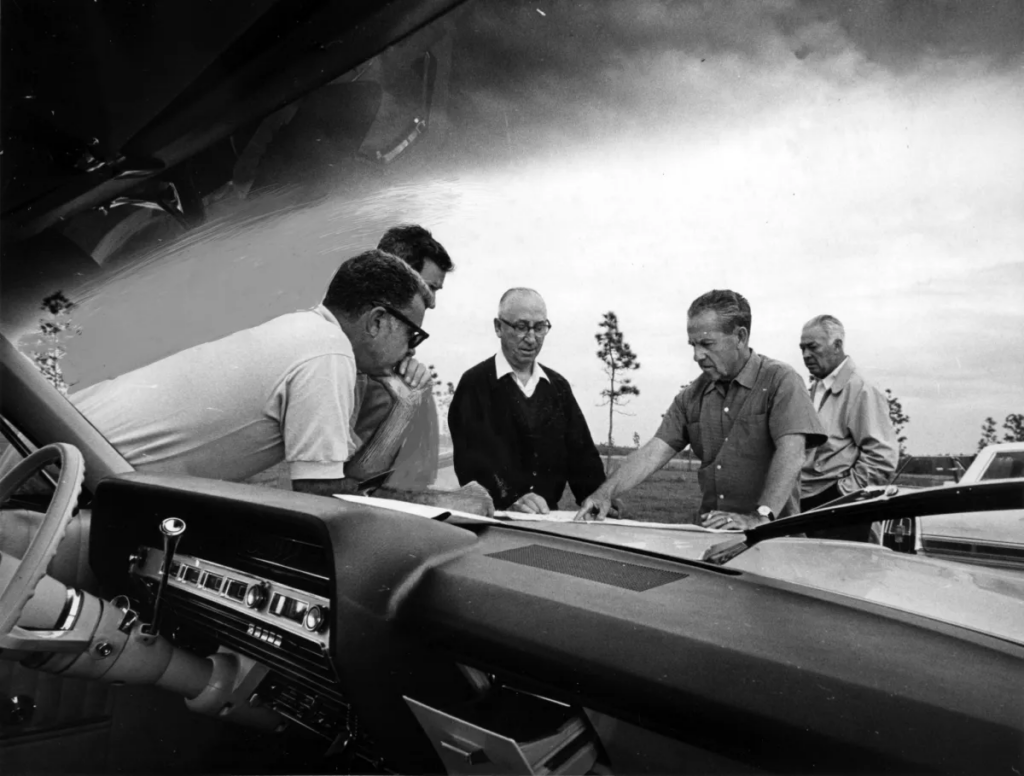
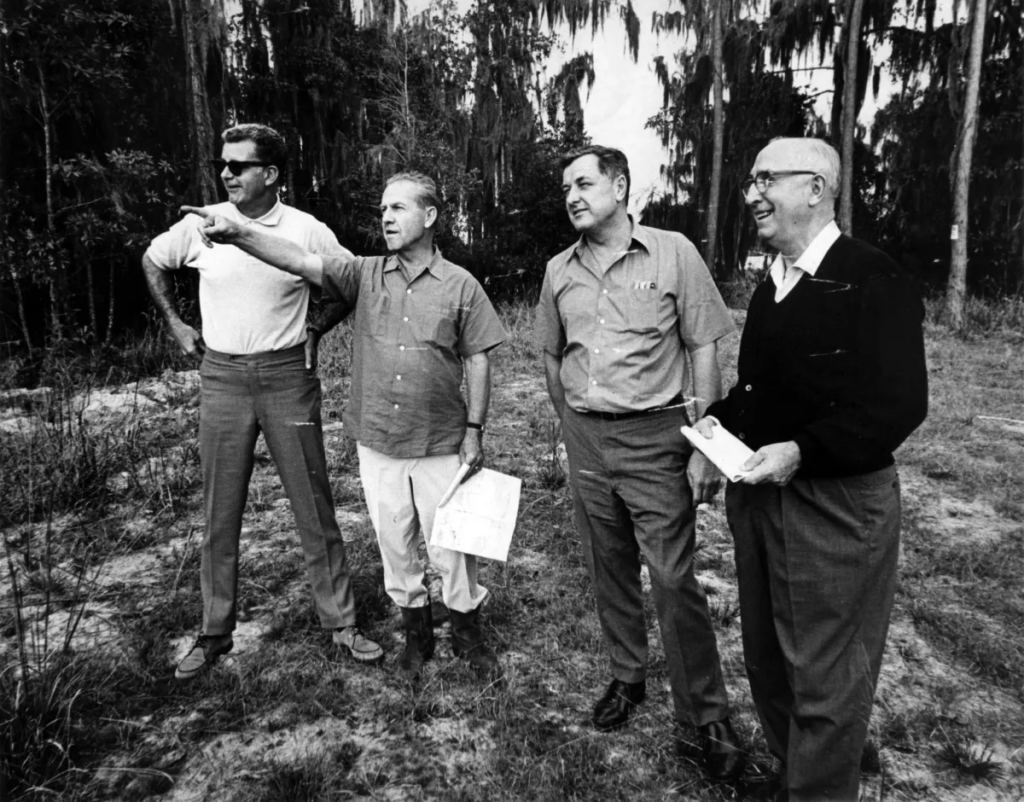
It was Roy who, in his 70s—with a longing to retire and travel and spend time with his grandchildren—wrestled with heat and humidity, swamp land and scrub brush, construction delays and finances to make Walt’s last dream a reality. Roy’s financial genius was never more apparent than during the construction of the Magic Kingdom. The project cost an estimated $400 million, an astronomical sum in the late 1960s. Roy utilized a unique financing structure involving convertible debentures, which allowed the company to raise the funds without taking on traditional bank debt. When the park finally opened on October 1, 1971, the company did not owe a single cent to outside creditors. This financial stability ensured that the Disney company would remain independent for decades to come.
Choosing a Higher Path
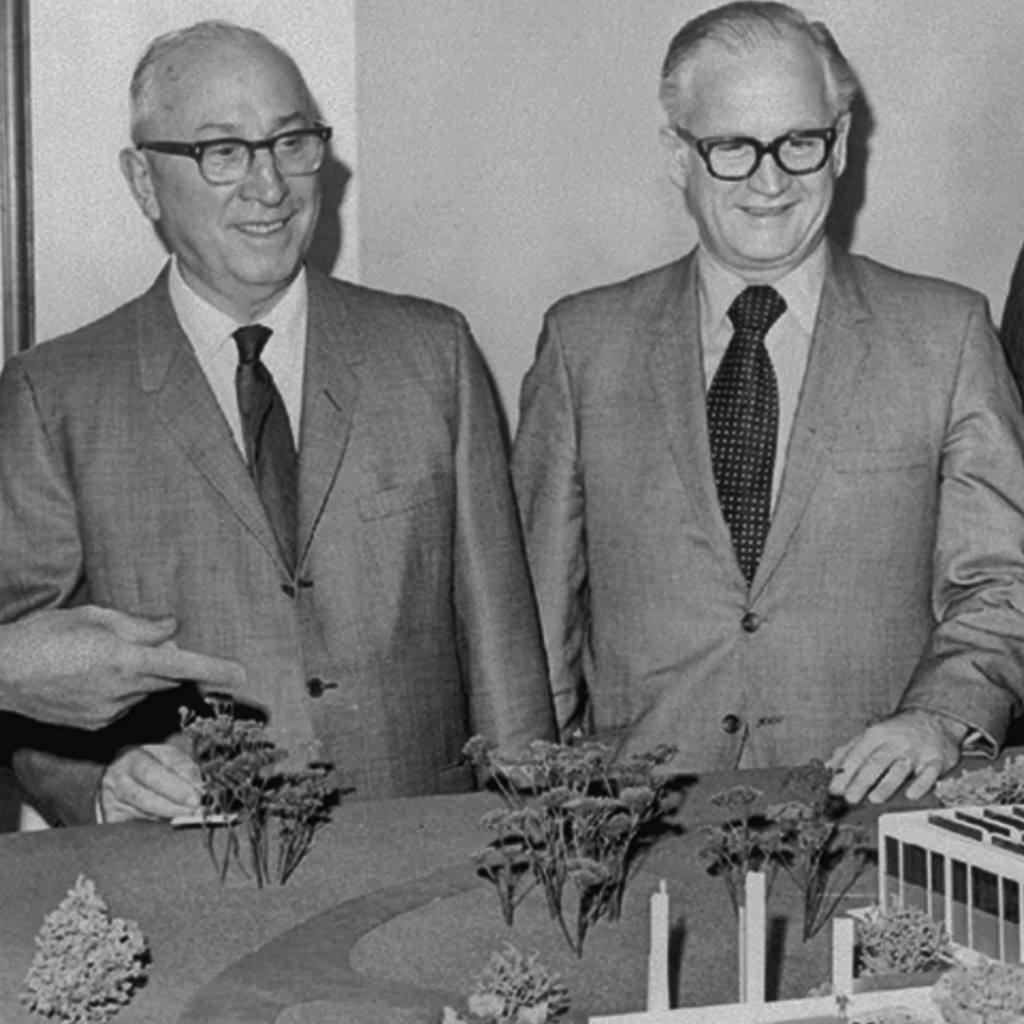
During the planning stages, financial advisors suggested building the Magic Kingdom at the intersection of I-4 and Highway 192. This location would have saved millions by using existing roads. However, Walt had always intended for the park to be at the northernmost point of the property to preserve the guest experience. Roy refused to cut corners. He told the accountants that he intended to follow Walt’s plan perfectly. He ordered the meetings to stop so that they could get back to building the vision exactly as his brother had intended.
The Dedication and the Final Bow
On October 25, 1971, Roy stood alongside Mickey Mouse in Town Square for the official grand opening dedication. He looked frail but determined as he read the dedication plaque. He called the park a “tribute to the philosophy and life of Walter Elias Disney.” Having seen the gates open and the monorails run, Roy finally retired later that same afternoon. He returned to California, his promise fulfilled and his work complete. He died less than two months later, having given his final years to honor the brother he loved so dearly.
A Legacy of Modesty
Roy O. Disney was a modest man who often stayed in the background. While Walt’s name was on the films and the theme parks, Roy was the man who kept the lights on. He was the only person who could tell Walt “no,” and he was the only person who could make Walt’s “yes” a reality. Today, fans can see a tribute to him in the Magic Kingdom: a statue titled “Sharing the Magic” sits in Town Square. It depicts Roy sitting on a park bench with Minnie Mouse, watching the guests enjoy the world he spent his life building.
If you want to book your magical trip to Walt Disney World, be sure to contact Enchanted Kingdom Vacations and to keep up to date on all the latest Disney news and more, be sure to follow Disney Dorks on Facebook!